
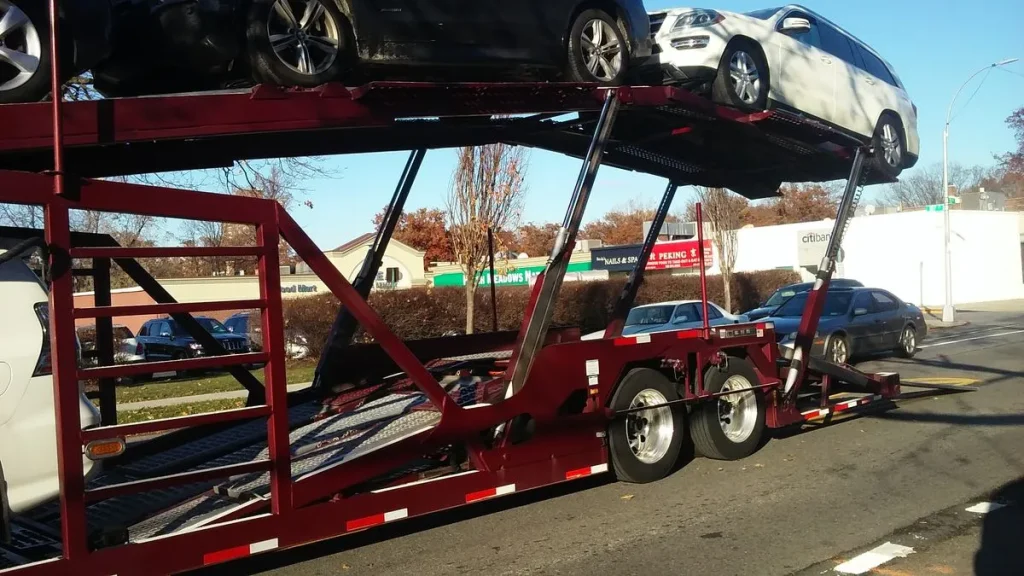
Moving a vehicle between states can save you the time and effort of driving long distances yourself. Whether you are relocating, purchasing a car from another state, or sending a vehicle to a family member, preparing your automobile before pickup can help the transport process run more smoothly.
Here are practical steps to follow before arranging state-to-state auto transport.
## 1. Clean Your Vehicle for Inspection
Wash the exterior before the scheduled pickup when practical. A clean surface makes it easier to identify scratches, dents, paint chips, and other existing damage.
You do not need to make the vehicle look brand new. The goal is to make its current condition easier to inspect and document.
Take clear photographs of the front, rear, sides, roof, wheels, and any areas with existing damage. Keep these photographs until the shipment is complete.
## 2. Remove Personal Belongings
Remove luggage, electronics, important documents, valuables, and loose items from the cabin and trunk.
Personal belongings may not be covered under the carrier’s vehicle cargo insurance, and carriers can have restrictions on transporting them inside a vehicle. Additional weight can also create safety and compliance concerns.
Check the glove compartment, door pockets, center console, trunk, and other storage areas before handing over the vehicle.
## 3. Check for Leaks and Mechanical Issues
Tell your transport provider if the vehicle has mechanical problems, fluid leaks, damaged tires, a dead battery, or other issues that may affect loading and unloading.
If the vehicle is not operational, mention this before receiving a quote. Non-running vehicles may require special equipment, and not every carrier can accommodate them.
Make sure the tires are properly inflated and that the parking brake, steering, and other systems are in a condition suitable for the agreed transport arrangement.
## 4. Keep the Fuel Level Low but Sufficient
A vehicle generally needs only a small amount of fuel for loading and unloading. Keeping the tank at a low level helps avoid unnecessary weight.
Follow the specific instructions provided by your transport company. Do not ship a vehicle with a full tank unless specifically required for an agreed reason.
## 5. Secure or Remove Accessories
Remove detachable antennas, roof-mounted accessories, toll tags, and other loose items when appropriate. Fold in mirrors if possible and make sure convertible tops or other movable components are secured.
Tell the provider about roof racks, spoilers, lift kits, oversized tires, lowered suspension, or other modifications. These features can affect vehicle dimensions and loading requirements.
## 6. Prepare the Keys and Documents
Provide the required keys and make sure you or your designated representative will be available for pickup and delivery inspections.
Keep personal documents, registration papers, and other important items with you unless the provider specifically requires documentation for the shipment. Never leave unnecessary sensitive information inside the vehicle.
Confirm the pickup address, delivery address, contact numbers, and agreed timing before the carrier arrives.
## 7. Understand the Inspection Report
At pickup, the carrier should document the vehicle’s condition according to the applicable transport process. Review the inspection report and make sure visible damage is recorded accurately.
At delivery, inspect the vehicle in good lighting when possible and compare its condition with the original report and photographs. Record any concerns on the delivery paperwork and follow the carrier’s claim procedure promptly if you identify possible transit damage.
Keep copies of the transport agreement, inspection reports, photographs, and communications.
## 8. Confirm Your Shipping Details
Before the shipment begins, verify the transport method, pickup window, destination, estimated transit timeframe, price, payment schedule, and cancellation terms.
Delivery estimates can change due to distance, weather, traffic, road restrictions, and carrier scheduling. Ask how updates will be provided and whom to contact if plans change.
## 9. Plan for Door-to-Door Delivery
Door-to-door auto transport aims to pick up and deliver the vehicle as close as safely and legally possible to the specified addresses. Large transport trucks may not be able to enter narrow streets, apartment complexes, restricted-access neighborhoods, or locations with low overhead clearance.
If direct access is not practical, the driver may arrange a nearby safe and accessible meeting location.
## Arrange Your State-to-State Shipment
SafeLine Car Shipping offers state-to-state auto transport options for customers who need to move vehicles between Arlington, Texas, and other destinations, subject to route and carrier availability.
By preparing your vehicle, documenting its condition, and confirming your shipment details, you can help make the pickup and delivery process more organized.
Contact SafeLine Car Shipping with your vehicle information, pickup and delivery locations, and preferred dates to request an estimate for your shipment.