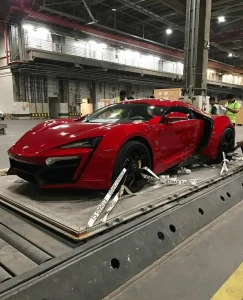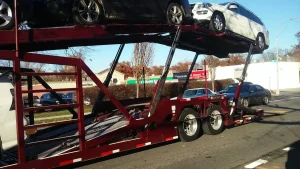

State-to-state auto transport helps you move a vehicle between locations in different states without driving the entire distance yourself. SafeLine Car Shipping helps customers explore vehicle shipping options based on their route, vehicle type, and preferred schedule.
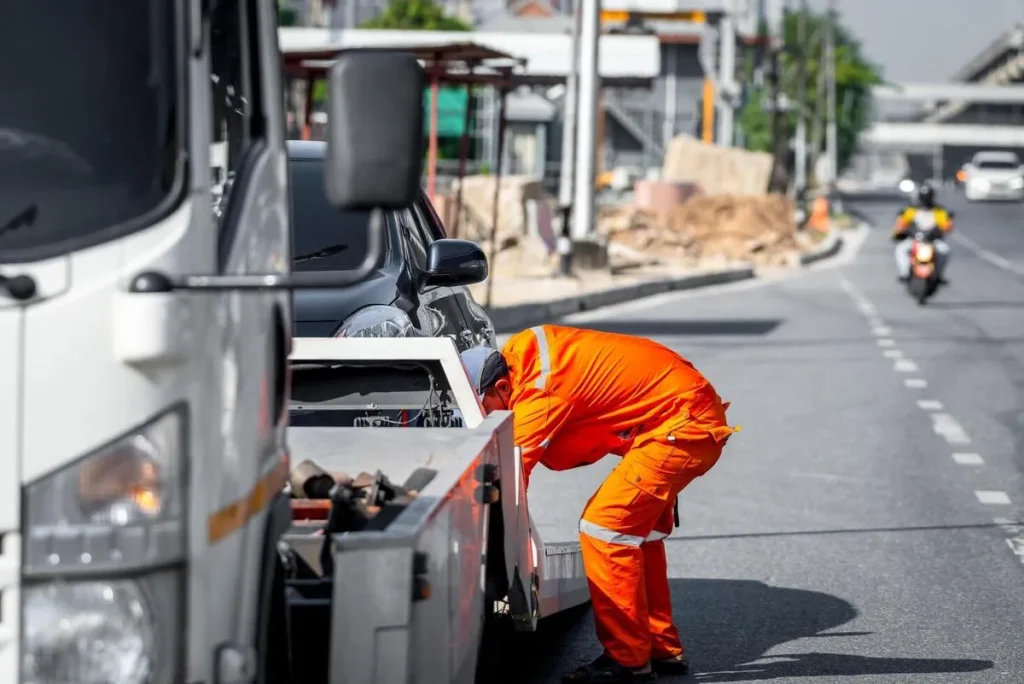
Transporting a vehicle between states can be a practical choice when relocating, purchasing a car from another state, moving for college or work, or coordinating a vehicle transfer for family reasons. Rather than driving hundreds or thousands of miles, you can arrange professional auto transportation for your vehicle.
SafeLine Car Shipping helps customers in Arlington, Texas, explore state-to-state auto transport options for a range of vehicle shipping needs. The most suitable arrangement depends on the pickup and delivery locations, vehicle specifications, selected carrier type, and available schedule.
What Is State-to-State Auto Transport?
State-to-state auto transport is a vehicle shipping service used to move automobiles from one state to another. Depending on the shipment, a vehicle may be transported on an open carrier or inside an enclosed trailer.
Open transport is often chosen for standard vehicles because it is widely used and generally more economical. Enclosed transport provides additional protection from weather and road debris and may be preferred for classic, luxury, collectible, or specialty vehicles.
The appropriate method depends on your vehicle and priorities. Discuss your requirements before booking so the provider can explain the options available for your route.
When Do You Need State-to-State Car Shipping?
There are many reasons to arrange interstate vehicle transportation.
Moving to a new state: If you are relocating for a new job, moving closer to family, or changing homes, shipping your vehicle can help reduce the time and distance you need to drive.
Buying a vehicle from another state: Online vehicle purchases and dealership transactions may require transportation from the seller’s location to your destination.
College and work relocation: Students and professionals may need a vehicle at their new location without completing a long-distance road trip.
Family vehicle transfers: You may want to send a car to a relative or coordinate transportation for a family member who cannot make the drive.
Seasonal or extended travel: Some vehicle owners arrange transport when moving between residences or planning an extended stay in another state.
Whatever the reason, accurate shipment information is essential for obtaining a useful estimate.
How State-to-State Auto Transport Works
The first step is to provide your pickup and delivery locations, vehicle details, preferred shipping dates, and transport preference. Make sure to disclose whether the vehicle runs, whether it has modifications, and whether either address has access restrictions.
After reviewing the information, the provider can explain the available service options and quote terms. A booking is confirmed according to the applicable acceptance process and agreement.
Pickup is then coordinated with the relevant transportation provider. At handover, inspect the vehicle and document its condition. Keep photographs and a copy of the inspection report.
The vehicle is transported along the planned route, but the exact route and transit time may depend on carrier logistics, weather, traffic, road conditions, and other scheduled pickups and deliveries.
At delivery, inspect the vehicle and compare its condition with the original documentation. If there is a concern, record it and follow the reporting process in the transport agreement.
Choosing Between Open and Enclosed Transport
For many standard vehicles, open transport is a practical starting point. It is commonly used and may offer more options on popular routes.
Enclosed transport can be worth considering when additional protection from outdoor exposure is a priority. Owners of classic cars, rare vehicles, and luxury automobiles may prefer a covered trailer.
Compare the options using your actual route and vehicle details. Pricing and availability vary, so request an estimate rather than relying on a general price range.
What Affects Interstate Car Shipping Costs?
Several factors can influence the price of state-to-state auto transport:
Distance and route: Longer trips and less frequently serviced routes may affect the cost.
Vehicle size and weight: Larger vehicles can require more carrier space.
Transport method: Enclosed shipping generally costs more than open transport.
Season and demand: Availability and prices may change during busy moving periods.
Pickup and delivery access: Restricted or difficult locations can affect arrangements.
Timing: Specific pickup windows or urgent scheduling needs may limit available options.
When requesting a quote, confirm what the price includes, whether it is an estimate or a confirmed amount, and what terms apply to changes or cancellation.
Preparing Your Vehicle for Interstate Shipping
Remove personal belongings and loose items before pickup. Make sure the vehicle is accessible and disclose mechanical problems, modifications, or unusual dimensions.
Photograph the vehicle’s condition and review the inspection report at pickup. Keep your agreement and relevant records until delivery is complete.
Confirm the pickup and delivery addresses, contact numbers, expected scheduling window, and payment arrangements in advance. Allow flexibility because transit estimates may change with road conditions, weather, and carrier schedules.
State-to-State Auto Transport From Arlington, TX
SafeLine Car Shipping helps customers explore vehicle transportation from Arlington, Texas, to destinations in other states, subject to route and carrier availability. Whether you are moving a family car, arranging delivery for a recently purchased vehicle, or planning a long-distance relocation, we can help you identify the details needed to request a quote.
Request a State-to-State Auto Transport Quote
Provide your vehicle’s make, model, year, operational condition, pickup and delivery locations, and preferred dates. These details help the provider evaluate the shipment and explain the options available.
Contact SafeLine Car Shipping to discuss your interstate vehicle transportation needs and request a quote.
Phone: (817) 541-5213
Email: info@safelinecarshipping.us
Find answers to some common questions about car shipping and vehicle transportation.
Car shipping costs depend on the distance, vehicle size, transport method, route demand, season, pickup and delivery locations, and preferred schedule. Enclosed transport generally costs more than open transport. Contact SafeLine Car Shipping with your shipment details to request a quote.
Transit time depends on the distance, route, carrier schedule, weather, traffic, and other transportation conditions. Your pickup date and delivery estimate should be discussed when arranging the shipment. Estimated delivery times can change and should not be treated as guaranteed unless expressly confirmed in writing.
Open transport is generally a more economical choice for everyday vehicles. Enclosed transport provides additional protection from weather and road debris and may suit classic, luxury, or collectible cars. The right option depends on your vehicle, budget, and protection preferences.
Door-to-door auto transport aims to arrange pickup and delivery as close as safely and legally possible to your chosen addresses. If a large transport truck cannot access a street or property, you may need to meet the driver at a nearby suitable location.
Remove personal belongings and loose items, secure accessories, disclose mechanical issues or modifications, and photograph your vehicle before pickup. Review the inspection report and keep your shipping documents. Follow any additional instructions provided for your particular vehicle and carrier.