
When arranging vehicle shipping, one of the first decisions is choosing between open and enclosed car transport. Both methods move vehicles between locations, but they differ in the type of carrier used, level of exposure, availability, and cost.
Understanding these differences can help you select a shipping method that fits your vehicle and budget.
What Is Open Car Transport?
Open car transport uses a carrier that transports vehicles on an open trailer. It is a common method used for moving cars between cities and states.
Because open carriers are widely used, this service may offer more scheduling options on popular routes. It is often an economical choice for everyday vehicles, including sedans, SUVs, and many pickup trucks.
Vehicles shipped on open carriers are exposed to normal outdoor conditions during transit. This is similar to the exposure vehicles experience during regular road travel, although transport conditions and routes vary.
What Is Enclosed Car Transport?
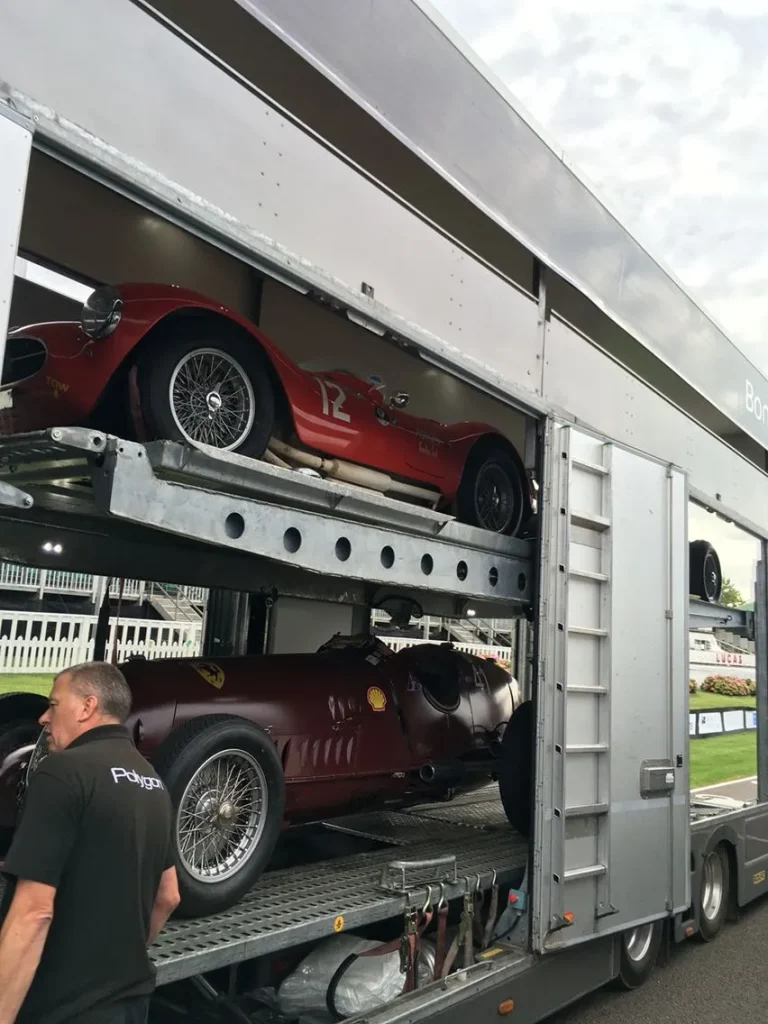
Enclosed car transport moves vehicles inside a covered trailer. The enclosed environment provides an additional barrier against rain, road debris, dust, and other external elements.
This option is frequently considered for classic cars, exotic vehicles, luxury automobiles, restored cars, and other vehicles where extra protection is a priority.
Enclosed transport may cost more than open transport because specialized equipment and carrier availability can differ. Availability may also be more limited on some routes.
Comparing the Two Methods
Cost: Open transport is generally the more economical option. Enclosed transport commonly costs more, although actual pricing depends on route, vehicle dimensions, timing, and availability.
Protection: Enclosed transport provides more protection from weather and road debris. Open transport leaves the vehicle exposed to outdoor conditions during transit.
Availability: Open carriers are widely used and may be easier to schedule on many routes. Enclosed carriers may require additional planning.
Vehicle suitability: Open transport works well for many standard vehicles. Enclosed transport may be preferable for vehicles that are especially valuable, rare, restored, or sensitive to exposure.
Scheduling: Both options depend on carrier availability, route demand, and pickup location. Booking early may give you more flexibility.
Which Option Is Best for Everyday Cars?
For a standard daily driver, open transport is often a practical choice. It can provide a straightforward way to ship a vehicle without paying for the additional protection of an enclosed trailer.
If your car already has normal wear and tear and does not require specialized handling, open transport may meet your needs. You should still document the vehicle’s condition and review the transport agreement.
When Should You Consider Enclosed Transport?
Enclosed shipping may be worth considering when you are transporting a classic car, a high-value sports car, a recently restored vehicle, or an automobile with a specialized finish.
Collectors and owners who want to limit exposure to outdoor conditions may prefer this method. However, enclosed transport does not eliminate all transportation risks. Confirm the available coverage and inspection process with your provider.
How to Prepare for Either Service
Before pickup, remove personal items, secure loose accessories, and photograph the vehicle. Make sure the vehicle’s condition and any existing damage are documented on the inspection report.
Tell the provider if your car has low ground clearance, oversized tires, nonstandard dimensions, mechanical problems, or modifications that could affect loading.
Ask about the pickup window, estimated transit time, payment requirements, and delivery arrangements. These details can vary depending on the selected service and route.
Choosing a Car Shipping Service in Arlington, Texas
SafeLine Car Shipping provides open and enclosed car transport options for customers arranging vehicle shipping from Arlington, TX, and other locations, subject to route and carrier availability.
The right choice depends on your priorities. If cost and broad availability matter most, open transport may be suitable. If extra protection from weather and road debris is a higher priority, enclosed transport may be a better fit.
Get an Estimate for Your Vehicle
Provide your vehicle’s make, model, pickup and delivery locations, preferred dates, and transport preference when requesting a quote. Comparing the two options using your actual shipment details can help you make a more confident decision.